


Detwiler’s, the family-owned and operated chain of grocery stores, has been a mainstay of the Sarasota area for over 22 years, well-known and loved for its freshness, value and hometown hospitality. While the success may appear to have come easily over the past two decades, the company has weathered some overwhelming challenges, including a lost lease, deep freeze, multiple hurricanes and a global pandemic—all of which posed serious threats to the business that customers rely on to “eat fresh for less” as the slogan states. Yet Detwiler’s hasn’t just survived, it has flourished. Its success is a testament to the family’s long line of strong business instincts, decades of customer service experience, family devotion and deep foundation of faith—all maintained without a single college degree among the family management team. Today, Detwiler’s is stronger than ever, recently announcing plans to open its seventh location in the county. This is their story of triumph.
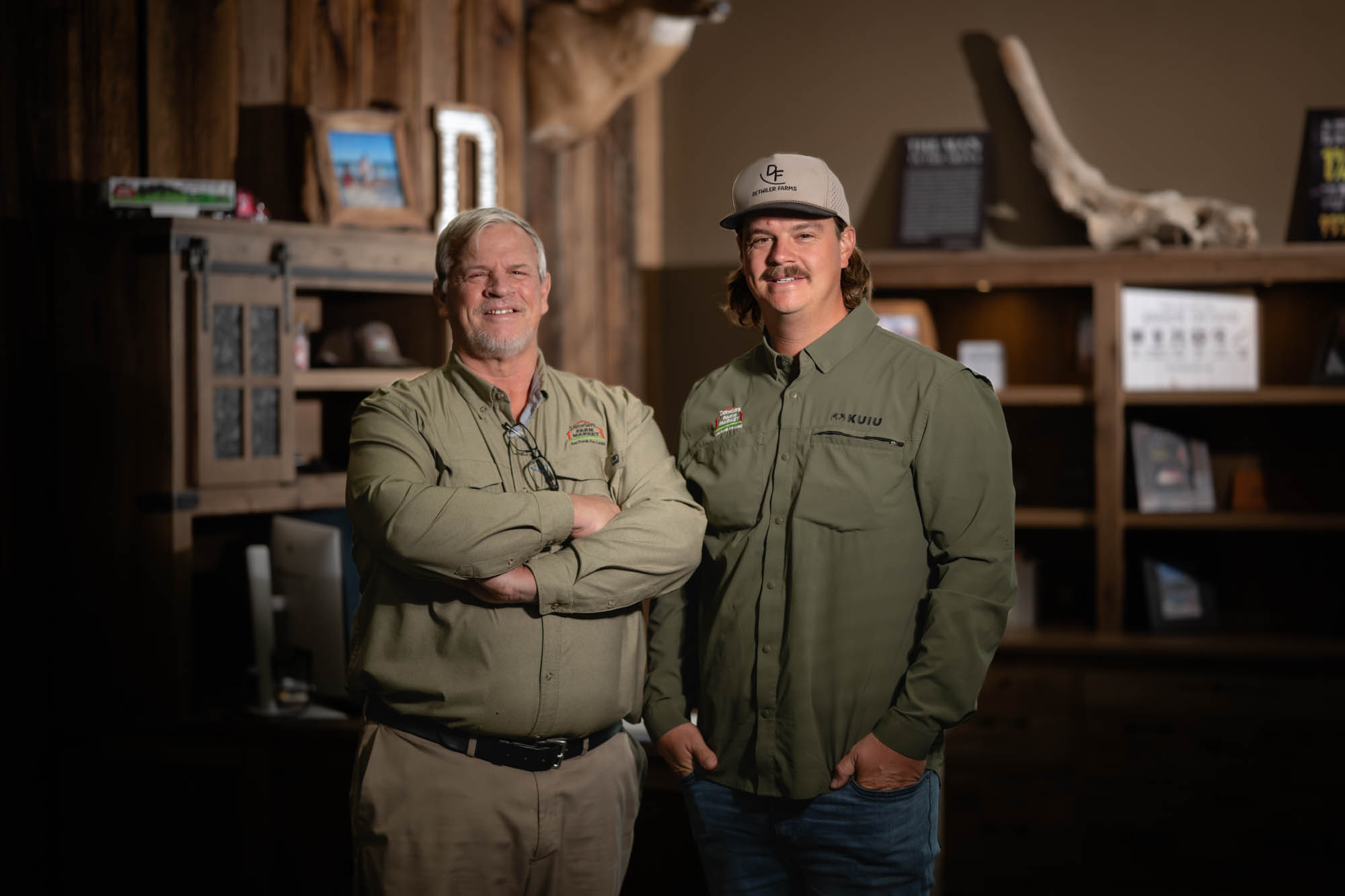
It all began when at just 18 years old, Henry Detwiler Sr., the founder and CEO of Detwiler’s Farm Market, launched his own small farm stand following the lessons learned about butchering and retailing from both his father and his grandfather. In 1986, Henry relocated from Pennsylvania to Florida and settled in Sarasota, his wife Natalie’s hometown. In the late 1990s, the growing family picked up and moved to Virginia, where they operated a small country market that offered produce and Amish furniture. They returned to Sarasota in the early 2000s with their strengthened merchandising skills and began assisting a local egg farmer with grading and packing eggs.
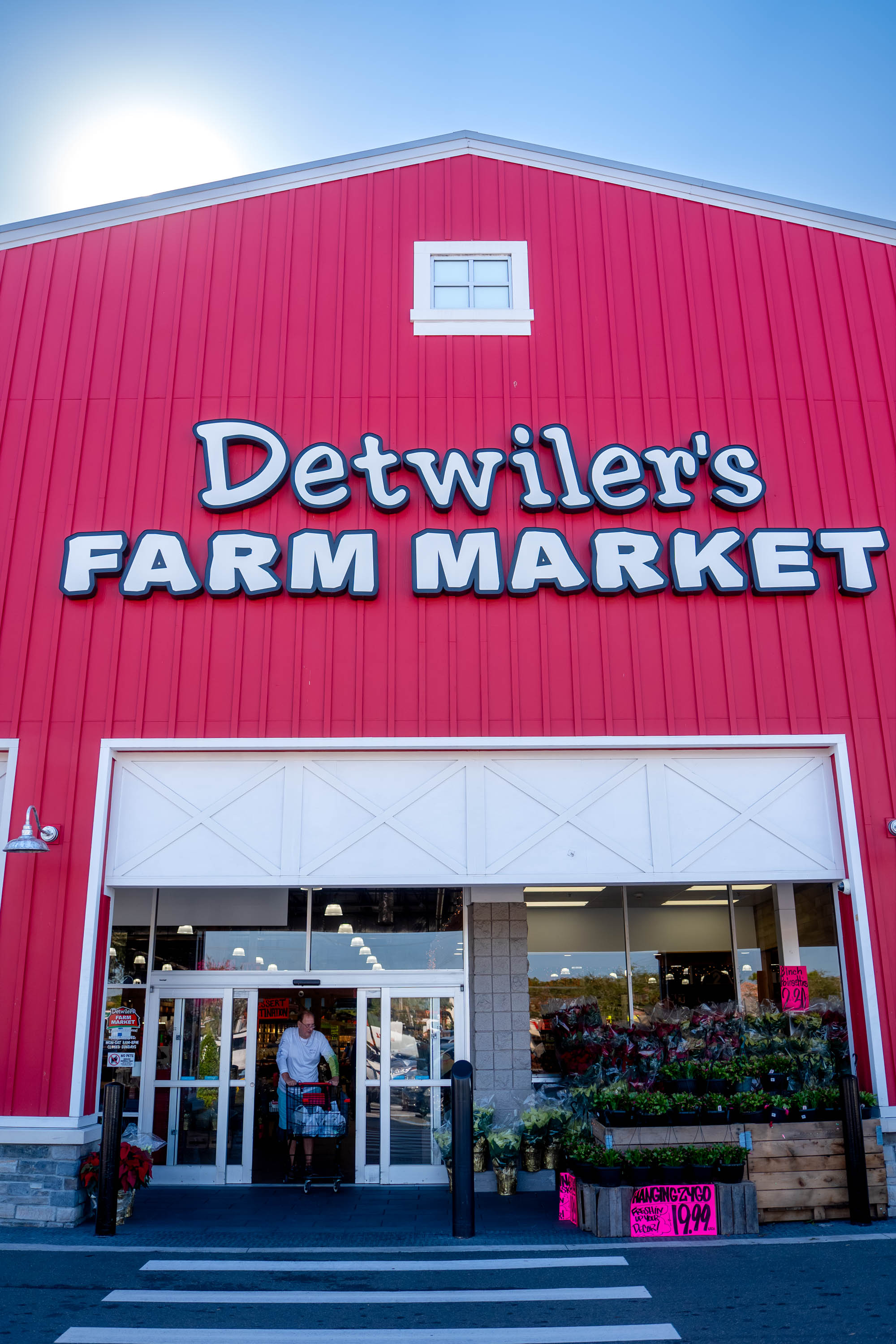
When the farmer decided to sell some produce at the egg stand, Henry told him about his previous selling experiences and the Detwilers stepped up. They put out small yard signs on Fruitville Road directing people to Richardson Road and letting them know they could buy eggs, tomatoes, corn and watermelon at the stand. “We always got underneath the county’s skin a little bit because you weren’t really supposed to do that,” recalls Henry’s son, Sam, the president of Detwiler’s. “But that’s how we started and it didn’t take very long for us to get up and running.”
By early 2003, the family farm stand moved to a larger location at Fruitville Grove, off Fruitville Road, which offered more space and better road exposure. The new location was a pole barn, a simple wood and tin building without air conditioning, featuring an overhang. Early struggles there included being exposed to rain and heat, leaving the family to dream of one day being in an air-conditioned store. Sam, who was around 15 at that time, remembers his dad telling the boys to make themselves busy when a car pulled in because no one would want to shop somewhere that’s slow. “We would try to greet the customers, thank them for coming, grab our pocket knives to cut an orange for them to sample and almost chaperone them through our market when we weren’t busy. From doing that, we got to be really good friends with consumers who would buy from us.”
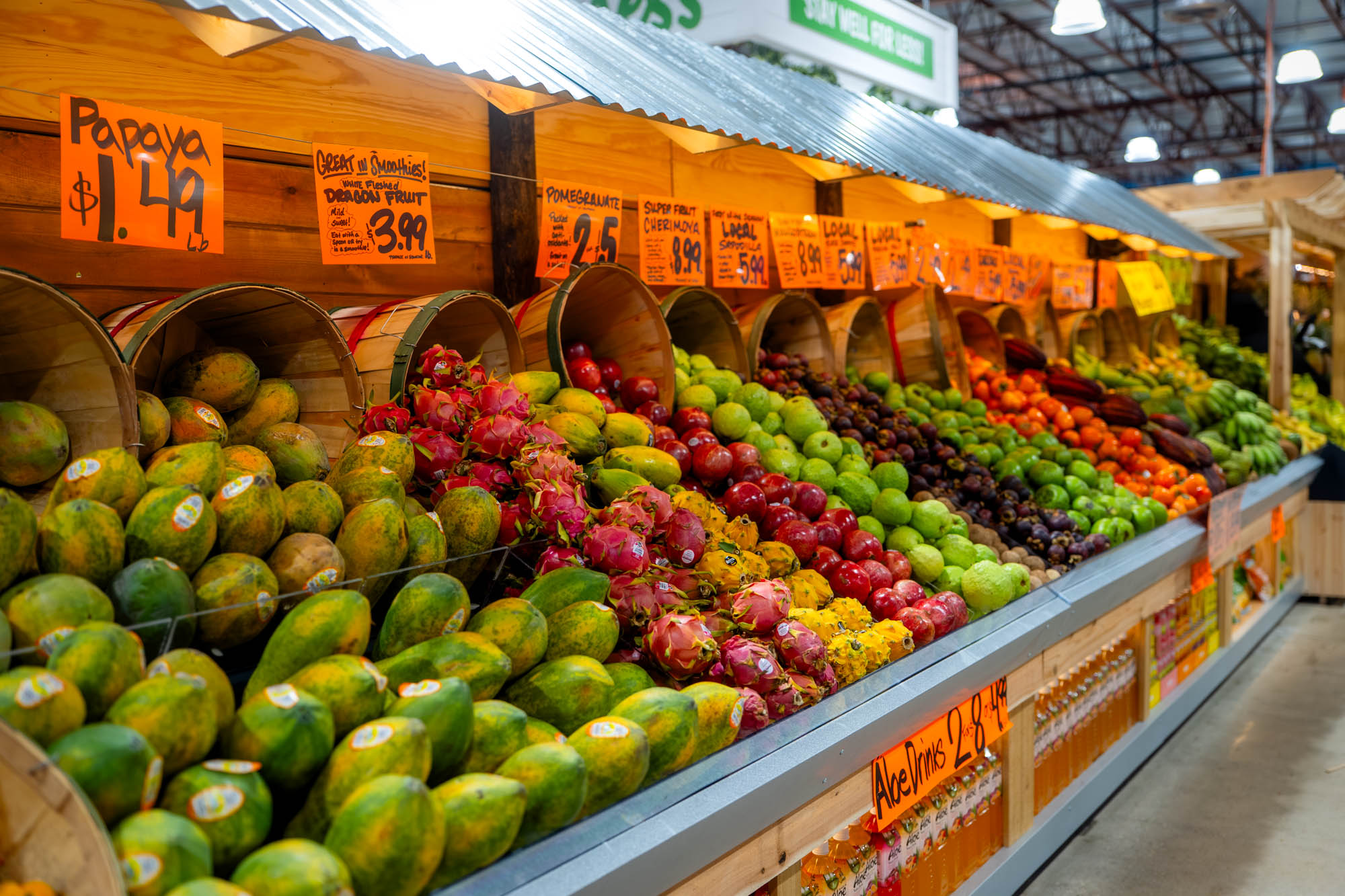
The Detwilers began planting some strawberries and bell peppers, trying to farm a bit, but they quickly found out they weren’t really farmers. “We learned that we were better merchants and so instead of farming, we needed to spend some time getting to know the local farmers that could grow better stuff than we could,” Henry explains.
Within a few years, the family’s newfound success took a downward turn during the summer of 2009 when they lost their lease at Fruitville Grove. “They gave us 30 days to move and we didn’t have anywhere to go,” says Sam. “It really hurt our family because we started out at one rate and ended up at a different rate—it just felt like whatever we could do, it wouldn’t keep the landlords happy.” On their way out, the Detwilers gathered as many emails and phone numbers as they could and promised to stay in touch with their customers. “The community was really frustrated and we didn’t know how to start all over again. We were just a simple family trying to figure it all out,” recalls Sam.
Later that year, the Detwilers found a 5,000 square-foot vacant concrete building at the corner of Palmer and Packinghouse and secured a lease, despite finding the space challenging in many respects. The community’s support was overwhelming when they reopened there. Sam remembers their first Saturday being “crazy” with people parking beside the road. Henry notes that in the first seven years there, they made a lot of friends—not so much money—but that the new, tighter space forced them to learn effective merchandising, product placement and how to operate profitably.
Just as the family was beginning to get comfortable in the winter of 2010, the entire state experienced the worst freeze in Florida history, significantly impacting the produce business, causing prices to skyrocket. The store’s claim to fame was local produce, but this disaster forced the Detwilers to import food and led to substantial debt due to selling food at cost. To survive, they diversified by adding a deli, selling sliced meats and cheeses and introducing snacks and chips. They also began selling seafood, starting with head-on white shrimp, which was successful because it was a unique item in the market.
After recovering from the freeze in 2011, the business stabilized and started turning a profit. In 2013, they opened a Venice location after an uncle offered them space in a 50,000 square-foot building. They started there with just some plastic tables and fresh produce, “I’m almost embarrassed when I look back…how did anyone even want to shop like that, I wonder, but I think the reason people did is because it just really loved the old-fashioned experience–it was almost like going to a friend’s house in our little farm market. There were lots of smiling faces and we were just happy for our customers to be there. We welcomed them and we lived by the Golden Rule: treat everyone the way you want to be treated,” says Sam. They grew quickly in Venice, becoming a 10,000 store with bulk items in addition to a large produce area, deli, seafood and ice cream sections.
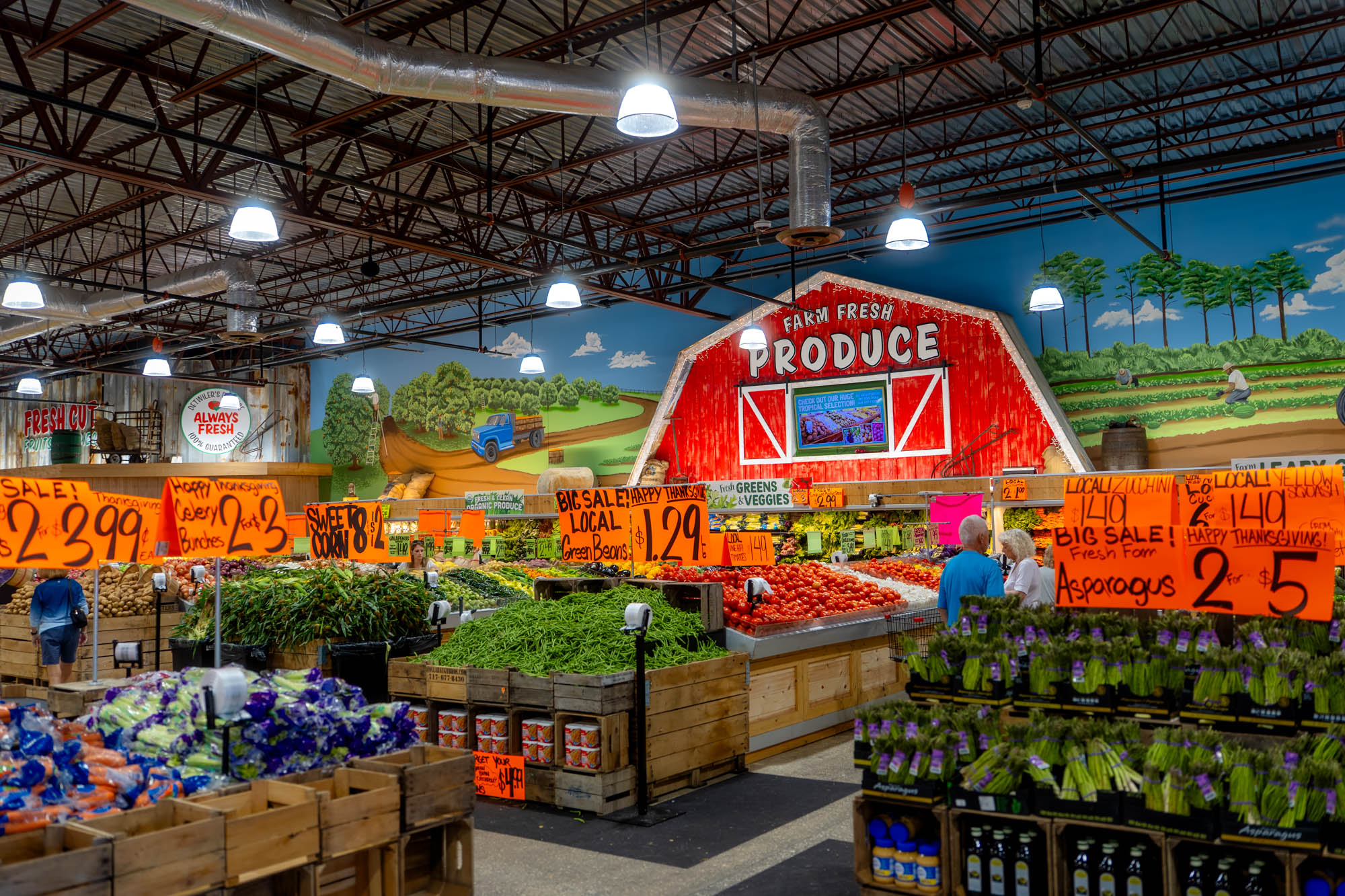
“All of us boys—there are four boys in our family—and our five sisters were working so well together, but we knew we needed a bigger store,” says Sam. By 2015, Detwiler’s Farm Market opened in their University Parkway location, a much more professionally built store with a layout similar to the one used in all their stores today. It was a huge success with $35,000 in sales on the first day of business and $60,000 on the first Saturday. The family started implementing formal roles such as store and department managers and a human resource specialist, learning these functions “brick by brick” through on-the-job experience. To support the growing operations, they established a small distribution center off Porter Road. As they expanded further, they leased a 20,000 square-foot center from Benderson Development Group, which offered cold docks and allowed them to ship food to stores twice daily.
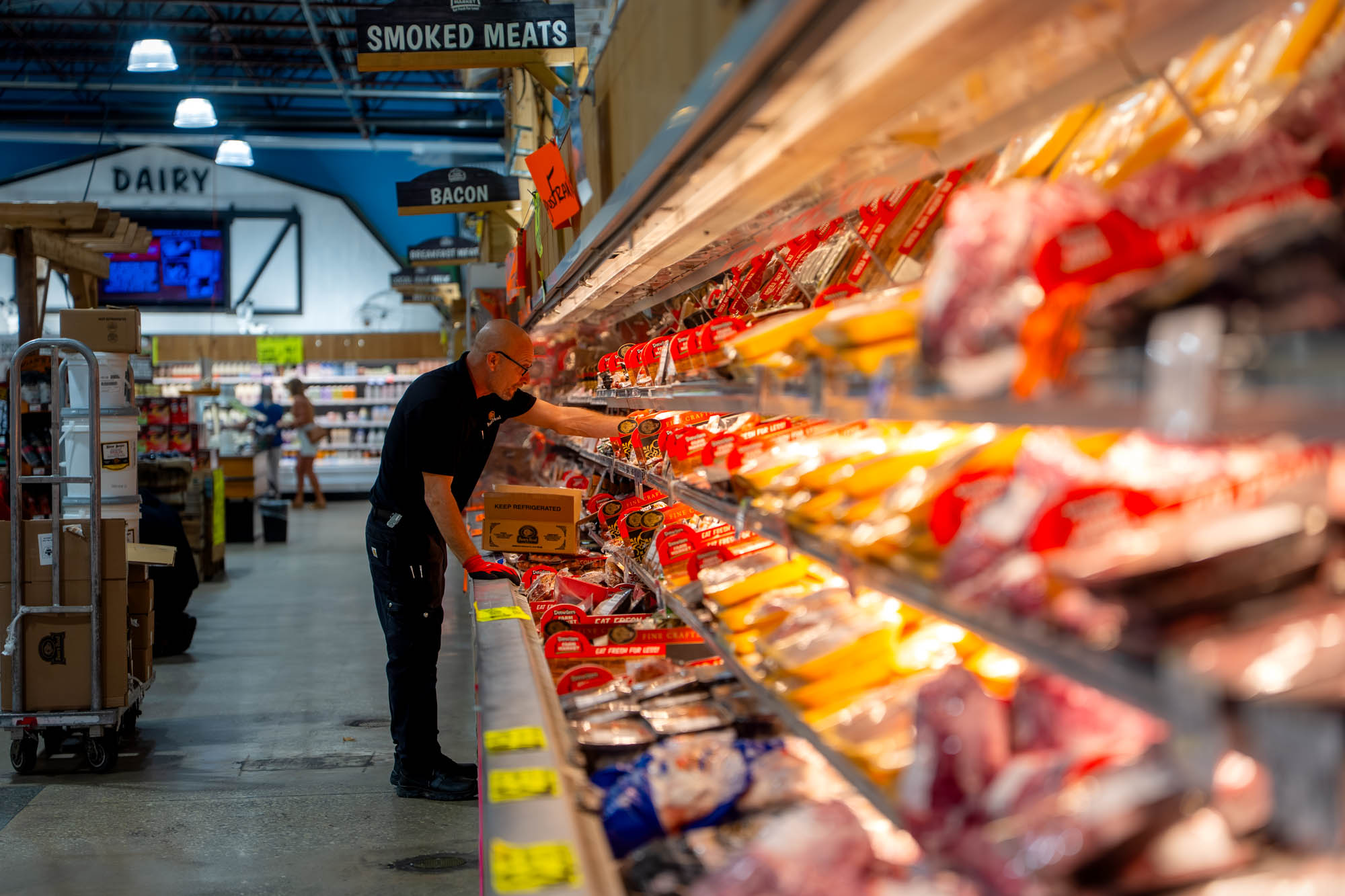
In 2017, the Detwilers purchased and renovated a 50,000 square-foot former Winn-Dixie market in Palmetto, their first real estate purchase. The grand opening was meticulously planned. Hundreds of customers started lining up the night before, with an estimated 1,600 people waiting in line on opening day. “I remember our family was so honored that people supported what we’ve done so much that they would be willing to stand in lines to just come to get their groceries,” shares Sam. “We never wanted to be a normal grocery store and this solidified that we aren’t a normal grocery store. We always wanted to be a place where people come and shop to find great deals—where employees are interacting with them and they could hear shout-out announcements like ‘we’ve got local shrimp, just off the boat for $12.99 for two pounds’ and people could meet the farmer and get high-quality goods at great
prices—kind of like a fun day at Walt Disney World.”
The Clark Road location, another former Winn-Dixie store, opened in 2019, also with a high customer turnout at its grand opening. With multiple stores and a strong organization, the company was poised for further expansion when the world suddenly shut down. COVID-19 greatly impacted operations, making the shopping experience less personal and more focused on survival mode, according to Sam. “All of a sudden, we went from this fun place to shop where everyone’s laughing and smiling and hugging to staying six feet away from one another, between plexiglass and a face mask,” he recalls. The Detwilers quickly regrouped and responded by developing a contact-free, drive-thru service inspired by Chick-fil-A, offering the top 120 essential items. This offering was highly successful, serving 700 cars alone on the first Saturday at the Palmetto location.
Following the height of the pandemic, the company stopped aggressive growth efforts to focus on refining its existing six stores’ operations and improving product quality. “We backed out of leases and we just held tight for a few years,” explains Sam. “The family was worn out—we were growing, growing, growing and then we got hit with COVID, which made us rethink how we do business. We got together to focus on what makes Dewiler’s what it is and how we can do it better. How do we get better bakery goods out of our ovens? How do we get a better steak,better ground beef, better fish or what’s the right produce to put in the stores? What’s the right price? We learned a lot and we also discovered that we needed a new distribution center because we didn’t have enough room.”
Finally feeling ready to expand once again, Detwiler’s opened its West Bradenton location just about two years ago, which the family believes is their “nicest store to date,” including new features like fried chicken, pizza and a doughnut shop. This location has been their strongest store opening yet.
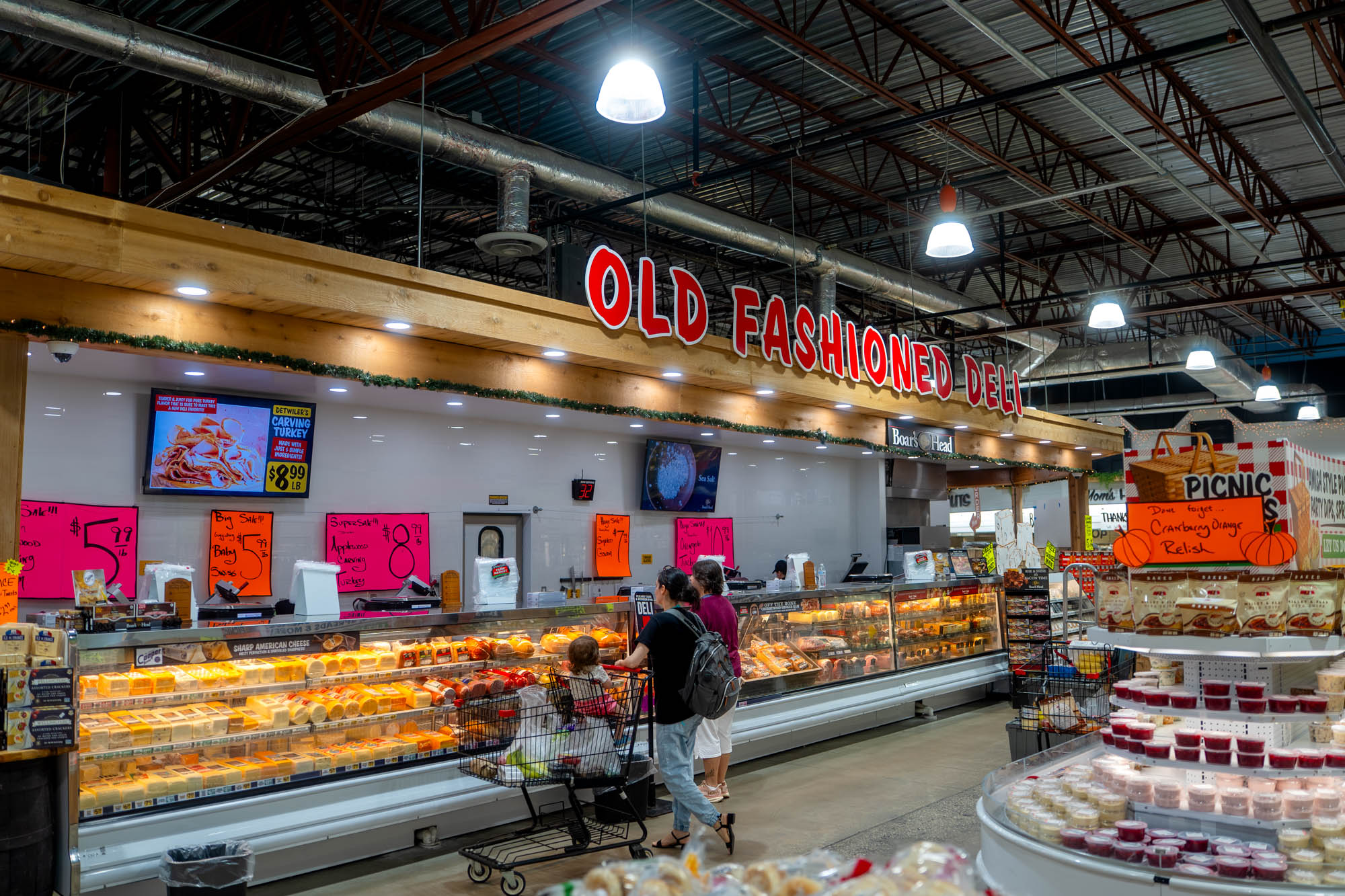
One major challenge that has been ongoing for the stores has been hurricanes, with the most recent, powerful storms causing significant damage. Sam notes, “The hurricanes have been extremely rough on us. Every single store lost power and we also lost some of our roof at our West Bradenton store in 2024. We suffered substantial losses then.” Beyond managing store recovery during storms, the company prioritizes its more than 800 employees. Sam explains, “We always spend a lot of money to help those employees who are taking care of our customers, whether they need their windows boarded or other preparations before the storm hits.” This commitment involves working with the local church and community to safeguard employees’ homes, ensuring they can return to work, “because if they don’t work, we can’t sell food.”
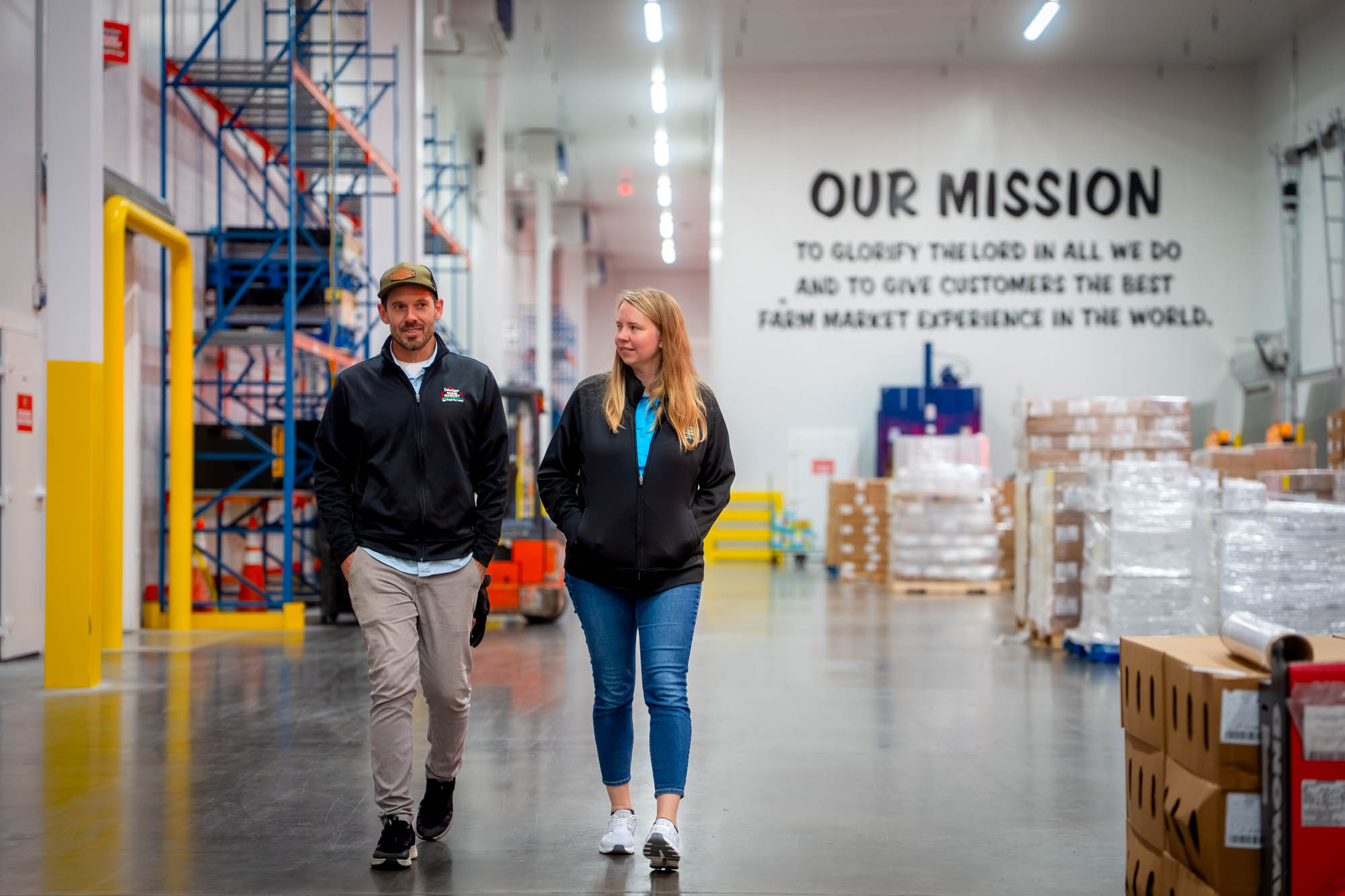
In September 2025, the company made a major investment to support their six stores and high volume of food movement, and partnered with Benderson Development Group again to lease a 133,000 square-foot state-of-the-art cold storage and redistribution center at Florida International Tradeport in Palmetto. This new facility features 33 cold docks and nine dry docks, greatly improving food control, cleanliness and overall storage efficiency. The new center strengthens the company’s local supply chain, creates new jobs and positions Detwiler’s for continued growth while ensuring that prices stay affordable.
In November 2025, the Detwilers announced that they would open a seventh supermarket location in the Sarasota/Manatee County area in the Braden River Plaza, another former Winn-Dixie market, transforming it into a 43,000 square-foot store. “As a family, we are excited to continue growing,” shares Henry. “We’re so thankful for our loyal customers who make this growth possible and for the opportunity to serve even more people in our community.”
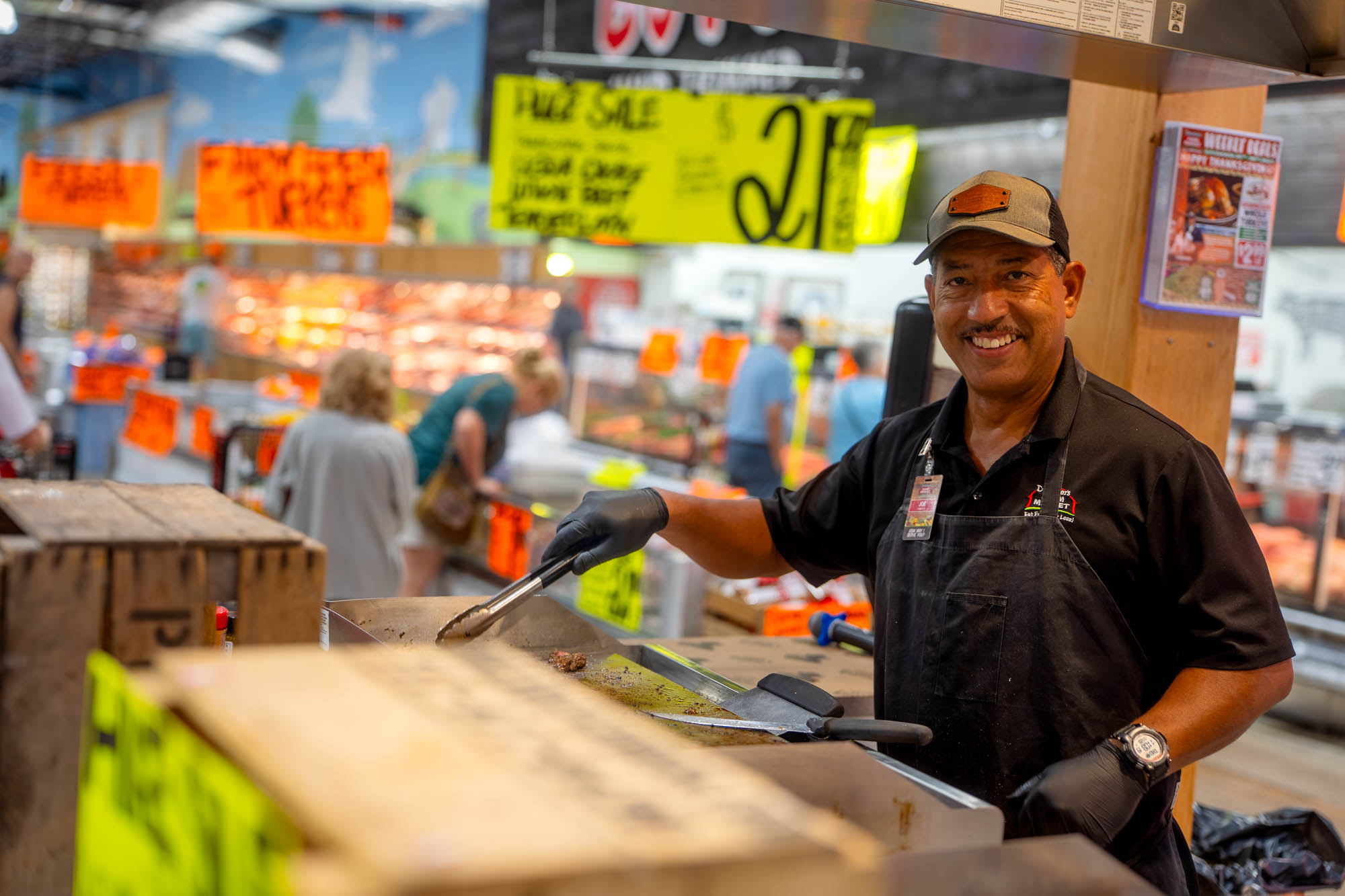
Despite the numerous challenges over the years, the enduring fact that the Detwiler family remains the sole owner and operator is seen as a source of strength. This family-owned status means the family members constantly work and socialize together. Sam attributes their ability to collaborate to a unique bond shared among the siblings, a bond that has never been broken since none of them ever left home for college. He notes, “I don’t know what life looks like without my brother around me.” The company’s significant expansion has been instrumental in managing the close relationship, as each family member can now oversee a distinct area of the business. This structure encourages collaboration while preventing them from “getting into each other’s hair.” Sam emphasizes the value of their diversity: “What makes our family great is that we’re very diverse. We stay strong by leaning on and respecting each other’s strengths and not by focusing on our weaknesses. As a family, we work together, we go to church together and we hang out together, in and out of work. It’s a lot of family time, but I wouldn’t trade it.”